Breast reduction design: skin pattern, pedicle, and free nipple graft are separate decisions
A breast-reduction skin pattern controls the external envelope and scar; a pedicle preserves a tissue connection to the nipple-areola complex; a free nipple graft detaches and grafts that complex. These choices are related but not interchangeable, and no single size cutoff determines the plan for everyone.
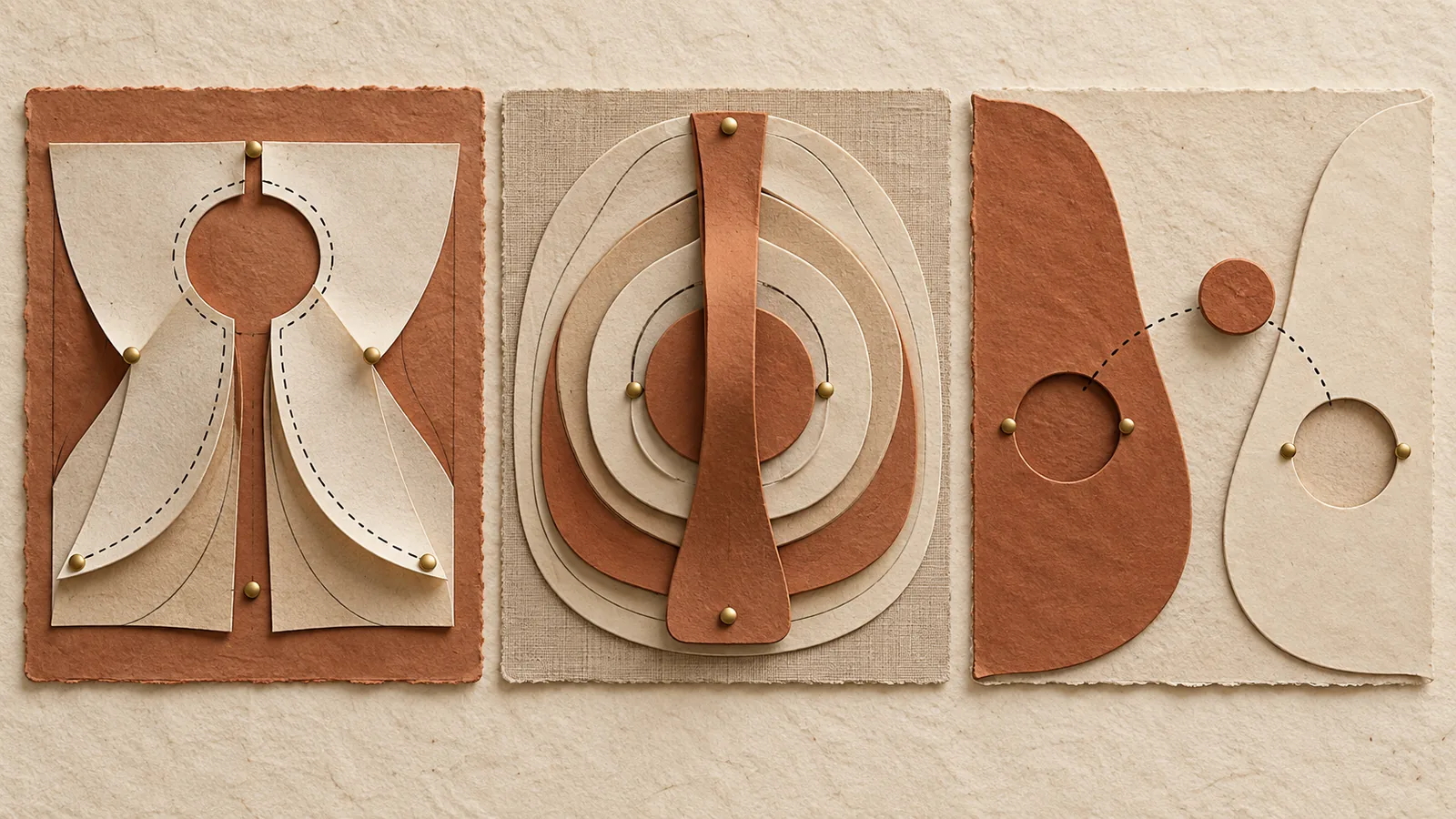
A breast-reduction skin pattern, pedicle, and free nipple graft describe different parts of the operation. The skin pattern reshapes the external envelope and determines much of the scar. A pedicle keeps the nipple-areola complex connected to selected breast tissue that carries blood supply and nerves. A free nipple graft detaches the nipple-areola complex and grafts it at a new location, interrupting those connections. The decisions interact, but one term cannot stand in for the complete plan.124
There is no universal breast size, resection weight, or nipple-to-fold distance that automatically requires one pattern, pedicle, or free nipple graft. Anatomy, tissue quality, blood supply, degree of descent, goals, health factors, surgeon experience, and the complete operative design all matter.
Decode the three layers
| Design layer | What it controls | What to verify |
|---|---|---|
| Skin pattern | Removal and redraping of the skin envelope; external scar distribution | Vertical, Wise/inverted-T, periareolar component, lateral extension, fold position, and expected scar |
| Pedicle | The tissue connection carrying the nipple-areola complex during reshaping | Superior, superomedial, inferior, central, or another named design; blood supply, nerve, and duct preservation |
| Parenchymal resection and shaping | Where breast tissue is removed, retained, rearranged, or supported | Target tissue distribution, projection, side-to-side plan, pathology handling, and any internal support |
| Free nipple graft | Detachment and grafting of the nipple-areola complex | Why it is proposed, graft take, color/contour, sensation, duct interruption, wound care, and revision options |
The same vertical skin scar can sit over different internal pedicles, and a Wise-pattern skin closure does not identify the pedicle. A free nipple graft is not simply a larger scar pattern. Require the plan to name each layer independently.
Skin pattern answers an envelope question
Vertical patterns generally concentrate scars around the areola and down to the fold; Wise or inverted-T patterns add a horizontal fold scar. Actual scar length and position depend on the amount and distribution of skin, breast base, degree of descent, side-to-side difference, fold anatomy, and closure—not the label alone.
A shorter scar is not automatically a smaller operation or a better result. A pattern must safely accommodate the tissue and skin being managed. Ask where puckering, bottoming out, lateral fullness, delayed wound healing, or scar extension is most likely for the proposed design and how follow-up handles those findings.
The evidence review identifies Wise/inverted-T and vertical approaches among common patterns while emphasizing heterogeneity in comparisons.2 A surgeon’s experience with a chosen technique is relevant, but “signature reduction” should still translate into recognized anatomy and records.
Pedicle answers a connection question
Pedicles are named for the tissue connection retained to the nipple-areola complex. The connection can carry different contributions from vessels, nerves, and ducts. Pedicle choice affects mobility, shaping, viability considerations, sensation, and lactation potential, but it does not guarantee any of those outcomes.
Ask which pedicle is planned, why it fits the anatomy, what could cause an intraoperative change, and how that change would affect sensation, nipple viability, breastfeeding potential, shape, or scar. The consent should not wait until after surgery to reveal that a free nipple graft was a possible contingency.
Modern evidence in selected very-large-reduction cases reports successful elongated-pedicle approaches and challenges the idea that size alone always dictates a free nipple graft.3 That does not mean a pedicle is always feasible or safer. It means a categorical cutoff should be replaced with a surgeon-specific anatomical rationale.
A free nipple graft changes function and aftercare
Free grafting detaches the nipple-areola complex, then relies on graft healing at the recipient site. Discuss graft take, partial or total loss, pigment or contour change, flattening, projection, sensation, symmetry, wound care, and later tattooing or revision. ASPS notes that it may occasionally be needed in extremely large, pendulous breasts.5
Breastfeeding potential deserves precise language. The systematic review found that outcomes tracked preservation of the subareolar parenchymal column; free-nipple transfer fully transects that column.4 Even a pedicled procedure cannot guarantee future milk production, and prior lactation is not proof of future function. Document the person’s goals before the design is finalized.
The plan extends beyond the nipple and scar
Reduction also includes breast-tissue removal and shaping, asymmetry strategy, pathology, anesthesia, facility, blood-clot prevention, drains when used, wound support, activity, symptom response, and possible revision. If liposuction is proposed for lateral chest or axillary fullness, identify it as a separate component with its own anatomy, fee, risks, and limitations.
Insurance criteria are a payer pathway, not a surgical technique selector. A required documentation threshold or estimate of tissue weight does not dictate a Wise pattern, particular pedicle, or free nipple graft. Keep coverage records separate from the anatomy-based operative plan.
Six questions for a legible consent
- 1. What skin is removed? Draw the actual scar and envelope plan for each side rather than naming vertical or anchor alone.
- 2. What keeps the nipple attached? Name the pedicle, why it fits, and which blood-supply, sensation, and duct tradeoffs matter.
- 3. What tissue is removed and rearranged? Separate resection and shaping from skin closure, including asymmetry and pathology.
- 4. When could a free graft enter the plan? Define whether it is planned or a contingency, what triggers it, and how consent covers the functional change.
- 5. What does recovery require? Map wound zones, dressings, activity, support, visits, urgent signs, and the owner of delayed healing.
- 6. Which records remain available? Keep diagrams, measurements, consent, operative report, tissue weights, pathology, photographs, and revision communication.
A clear breast-reduction plan can be read layer by layer. It shows the skin envelope, pedicle, tissue shaping, nipple pathway, scars, functional tradeoffs, and contingency choices without hiding them behind one technique name.
Sources
- American Society of Plastic Surgeons. Evidence-based clinical practice guidelines. Current professional guideline portal, including reduction-mammaplasty guidance. Accessed .
- Plastic and Reconstructive Surgery – Global Open. Safe Reproducible Breast Reduction. Common skin patterns, pedicles, outcomes, and limitations of technique comparisons. Accessed .
- Journal of Plastic, Reconstructive & Aesthetic Surgery. Is free nipple grafting necessary in patients undergoing reduction mammoplasty for gigantomastia? A systematic review and meta-analysis. Modern evidence on selected pedicled reductions and limits of automatic free-nipple-graft assumptions. Accessed .
- PLOS One. The impact of breast-reduction techniques on breastfeeding: systematic review. Relationship between subareolar parenchymal preservation and breastfeeding potential. Accessed .
- American Society of Plastic Surgeons. Breast reduction patient brochure. Patient-facing procedure, scar, risk, recovery, and occasional free-nipple-graft context. Accessed .