IPL versus BBL versus laser: light devices decoded
In this comparison, BBL means broadband light—not Brazilian butt lift. BBL is a branded form of intense pulsed light technology. IPL emits filtered ranges of noncoherent light; a laser emits a more specific coherent wavelength or set of wavelengths.
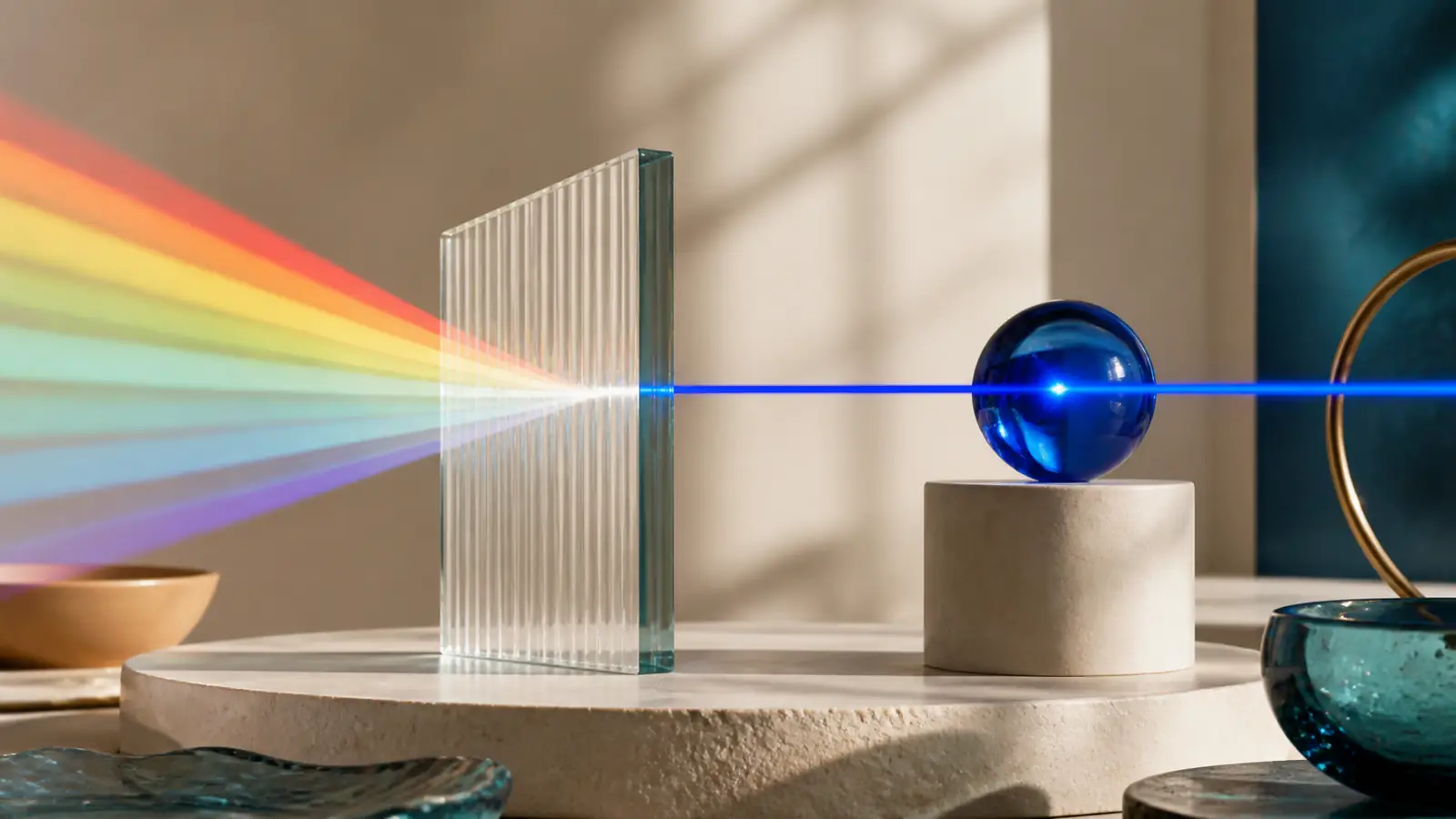
In this comparison, BBL means broadband light—not Brazilian butt lift. BBL is a branded form of intense pulsed light technology. IPL emits filtered ranges of noncoherent light; a laser emits a more specific coherent wavelength or set of wavelengths.
This vocabulary causes two common errors. One is treating BBL as a separate physics category from IPL; it is a commercial broadband-light platform within that family. The other is treating “laser” as one alternative, even though wavelength, pulse format, and target vary dramatically across lasers. An accurate quote names the device and optical target. 123
Broad bands and selected wavelengths
| Option or question | What it means | What to verify |
|---|---|---|
| Category | Light output | Common target conversation |
| IPL | Broad spectrum filtered into selected bands | Brown spots, redness, vessels, hair depending on device and filter |
| BBL | A named broadband-light platform within the IPL family | Same category logic; exact handpiece, filter, and clearance matter |
| Laser | A specific wavelength or paired wavelengths | Target depends on chromophore, pulse structure, and device |
| LED / low-level light | Lower-energy noncoherent light | Not interchangeable with IPL or resurfacing laser |
Light interacts with chromophores such as melanin, hemoglobin, and water. Wavelength, filter, pulse duration, fluence, spot size, cooling, and skin contact determine more than the marketing category alone. The cited IPL review connects broad filtered output with selective targeting rather than treating every flash as the same exposure. 4
IPL creates intense pulses from a broad range of wavelengths, then uses filters and handpieces to shape the emitted band. The operator selects parameters intended to heat a target while limiting injury to surrounding tissue. FDA’s Profile BBL clearance summary describes a 500–1400 nm wide-spectrum system and cites IPL predicates. Read together with the IPL review, classifying this BBL platform within the IPL family is an editorial taxonomy inference—not a claim that FDA uses “BBL” as a universal category or that every BBL setting shares one clearance. 45
A laser produces a more narrowly defined wavelength or set of wavelengths. That does not make every laser more precise in clinical outcome or more powerful in a useful sense. A vascular laser, pigment-targeting laser, hair-removal laser, and water-absorbing resurfacing laser interact with different chromophores and tissue depths. The correct comparison depends on what is being targeted.
LED and low-level light devices belong elsewhere. They generally deliver lower irradiance and do not reproduce an IPL pulse or ablative laser effect. “Red light,” “photofacial,” and “laser facial” should not be allowed to collapse different energy classes on the same menu.
One face may contain several targets
Calling BBL “better than IPL” confuses a platform name with its parent category. A device clearance is tied to indications and parameters; it does not mean every filter, setting, body area, or operator protocol is cleared or equally supported.
Discrete sun-related lentigines, diffuse redness, visible vessels, melasma, post-inflammatory pigmentation, tattoos, and hair are not equivalent pigment or vascular problems. Melanin and hemoglobin can compete for light absorption, while water becomes relevant for many resurfacing lasers. A clinician should identify each intended chromophore and also name findings the pass is not designed to treat.
The evidence for a platform should be read at the level of indication and parameters. A clearance for hair reduction does not establish treatment of rosacea; a device used for benign pigmented lesions does not prove that an undiagnosed dark spot should be treated cosmetically. If a lesion’s identity is uncertain or changing, diagnostic evaluation comes before light exposure.
Outcome photographs require controlled conditions because redness, ambient color, camera processing, sun exposure, and makeup can change the apparent result. Specify whether success means fewer counted lesions, reduced vessel visibility, an investigator erythema scale, hair-count reduction, or patient-reported change. A generic “brighter” rating cannot prove that each target responded.
Clearance follows the named device
Many aesthetic light devices reach the U.S. market through the 510(k) pathway, in which substantial equivalence and specified indications matter. Ask for the manufacturer, exact model, handpiece, and clearance record; a facility’s registration or a platform’s presence on an FDA database is not the same as blanket clearance for every marketed service.
The clinic should connect its proposed filter or wavelength, pulse duration, fluence, spot size, cooling, body area, and endpoint to the device documentation and operator training. Photobiomodulation terminology should not be used to turn a draft-guidance category or lower-energy LED claim into proof for IPL or laser outcomes.
Material risks and response planning
Excess energy or poor target selection can cause burns, blisters, pigment changes, scarring, and eye injury. Melanin competes for light absorption, making skin tone, tanning, pigment history, wavelength or filter selection, cooling, and test-spot logic material.
Melanin in the epidermis can absorb energy intended for a deeper target. Recent tanning, self-tanner, darker skin tones, and a history of post-inflammatory pigment change materially affect parameter selection and whether a device is suitable. The cited skin-of-color review identifies post-inflammatory hyperpigmentation as a central concern and discusses fluence, pulse duration, and device choice as risk-mitigation variables. 6 “Safe for all skin tones” should therefore be replaced with the exact device, wavelength or filter, operator experience, test-spot logic, and plan for pigment complications.
Expected short-term effects can include warmth, redness, swelling, darkening of treated spots, or perifollicular change depending on the target. Burns, blisters, prolonged pigment darkening or lightening, scarring, paradoxical hair effects, and eye injury are material complications. Eye protection must match the wavelengths and treatment region; closing the eyes or wearing ordinary eyewear is not a substitute for device-appropriate protection.
Document all settings for every pass, including filter or wavelength, pulse structure, fluence, spot size, cooling, and treatment map. If a clinic changes targets mid-session, each new pass deserves its own rationale and parameters rather than a single chart entry reading “BBL facial.”
Six questions before the first flash
- 1. Does BBL explicitly mean broadband light here? Confirm the term before comparing prices; do not confuse the platform with a surgical body procedure or a separate energy class.
- 2. What device and optical output will be used? Request the model, IPL filter or laser wavelength, handpiece, and the settings that define the proposed exposure.
- 3. Which chromophore is each pass targeting? Have the operator distinguish melanin, hemoglobin, water, or hair targets and identify features that will remain untreated.
- 4. Has recent pigment change been assessed? Discuss tanning, self-tanner, melasma, medications, prior burns, and darkening or lightening after earlier procedures.
- 5. How are cooling and eyes managed? Ask about contact cooling or other protection and wavelength-rated eyewear for the patient, operator, and anyone in the room.
- 6. What objective endpoint will stop the series? Choose lesion counts, standardized color assessment, vessel visibility, or hair measures rather than an indefinite “maintenance glow.”
Compare protocols within the right category
Ask the clinic to name the manufacturer, model, handpiece, filter or wavelength, FDA clearance, target chromophore, planned settings range, cooling method, and eye protection. Then connect each treatment pass to one target rather than a vague “photofacial.”
For multiple superficial pigment and vascular targets, a broad-spectrum platform may allow filters and passes within one device family. For a discrete chromophore or depth, a particular laser may offer a more targeted match. That is a protocol decision, not evidence that every BBL beats every IPL or every laser beats broadband light.
Compare the predicted number of sessions, intervals, seasonal sun restrictions, temporary visible changes, and the threshold for changing course. If brown spots return because of new ultraviolet exposure, that differs from a target that never responded. If redness reflects a condition requiring medical management, repeated cosmetic passes may not address the driver.
A trustworthy proposal can be read line by line: this device, this output, this target, these parameters, this skin-tone plan, this eye protection, and this measured endpoint. Once those details are visible, the confusing three-letter names become much less important.
Sources
- U.S. Food and Drug Administration. Laser products and instruments. Provides the regulatory and safety frame for laser radiation products, distinct from broadband IPL output and lower-energy light categories. Accessed .
- U.S. Food and Drug Administration. 510(k) clearances. Explains the 510(k) pathway used to verify that clearance belongs to a named device and indicated use, not every platform setting or photofacial claim. Accessed .
- U.S. Food and Drug Administration. Photobiomodulation device draft guidance. Draft guidance consulted to keep photobiomodulation terminology separate from higher-energy IPL, broadband-light, and resurfacing-laser protocols. Accessed .
- PubMed. Current trends in intense pulsed light. Peer-reviewed IPL review used for broad-spectrum filtered-light mechanics, selective chromophore targeting, and the need to connect a protocol to vascular, pigment, or hair indications. Accessed .
- U.S. Food and Drug Administration. Profile BBL 510(k) summary (K032460). Device-specific clearance summary identifying Profile BBL as a wide-spectrum 500–1400 nm system with IPL predicates, supporting a transparent classification of BBL within the IPL family. Accessed .
- PubMed. What devices to use or not use in skin of color. Peer-reviewed review grounding cautious energy-device selection in skin of color, with post-inflammatory hyperpigmentation, fluence, pulse duration, and device choice treated as operational variables. Accessed .