CO2 vs erbium laser resurfacing: compare the exact device, depth plan, and recovery
CO2 and erbium:YAG are ablative laser families, not complete treatment plans. Compare the exact device and clearance, fractional or full-field delivery, settings, passes, endpoint, skin characteristics, anesthesia, aftercare, and operator experience—not generic promises that one wavelength is deeper or gentler.
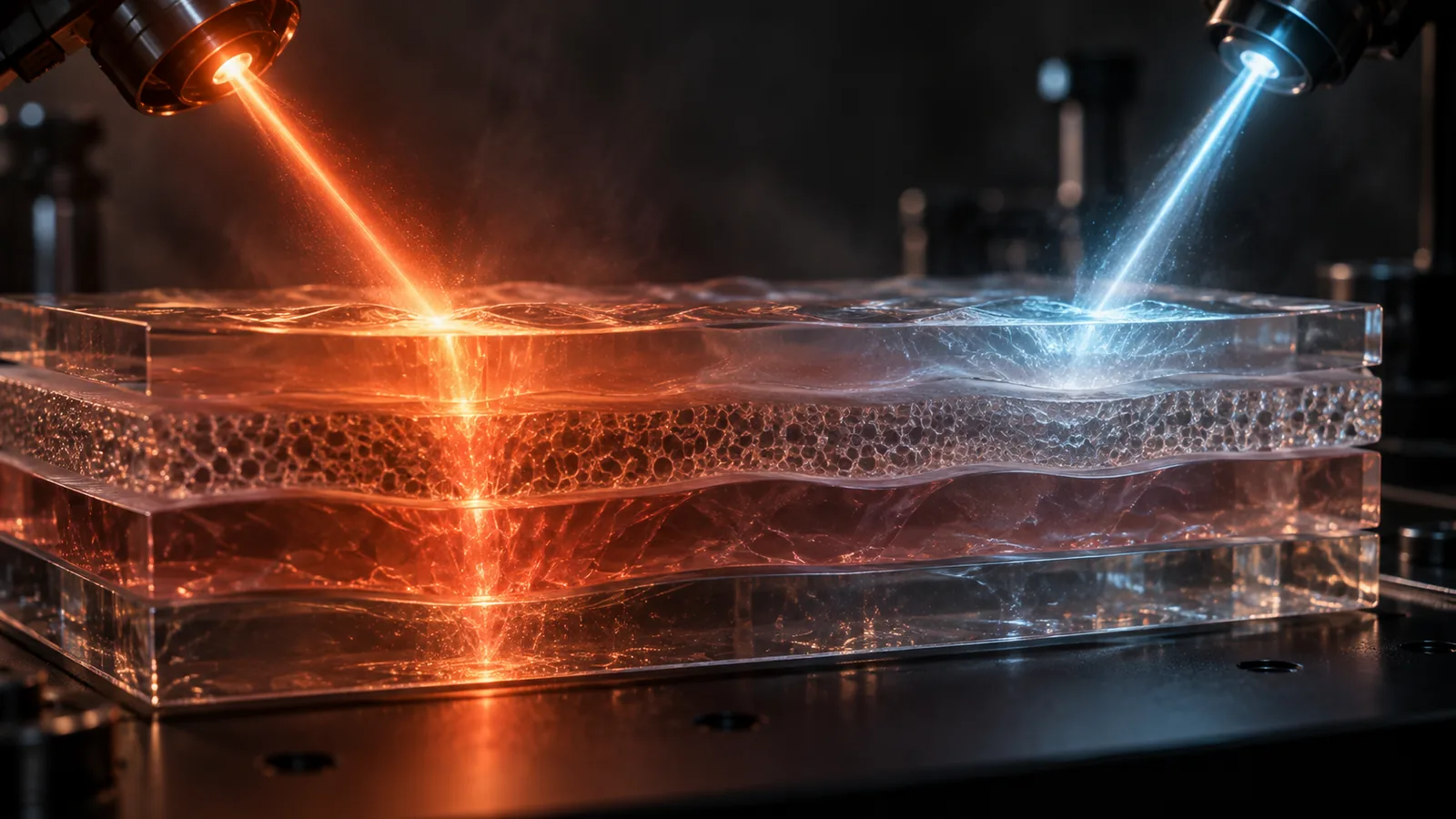
CO2 and erbium:YAG are ablative laser families, not complete treatment plans. CO2 systems commonly operate around 10,600 nm and erbium:YAG around 2,940 nm, producing different tissue interactions, yet wavelength alone does not determine depth, downtime, or risk. Verify the exact cleared device and handpiece, fractional or full-field delivery, settings, passes, endpoint, treatment area, skin plan, anesthesia, and aftercare before comparing them.123
This article owns the wavelength-level choice. The ablative-versus-nonablative guide explains the broader categories, and the resurfacing-versus-peel-versus-microneedling guide helps decide whether a laser belongs in the shortlist at all.
Start with the device record, not the laser nickname
“CO2” and “erbium” may describe an energy source while leaving the platform, model, handpiece, software mode, regulatory record, and settings unstated. FDA clears particular devices for particular indications through particular submissions. Clearance is not a blanket approval of every CO2 or erbium procedure, nor proof that one device is best for a person.23
A current CO2 clearance, for example, describes one platform’s fractional and non-fractional handpieces and indications including skin resurfacing and specified soft-tissue applications.2 An erbium:YAG clearance describes a 2,940 nm device for specified tissue uses, including resurfacing, wrinkles, and superficial skin lesions.3 Those documents demonstrate why the key is an exact device-to-use match.
Record:
- manufacturer, proprietary name, model, and serial number;
- FDA 510(k) number or other lawful-market basis;
- exact cleared indication being cited;
- wavelength and delivery mode;
- handpiece, spot pattern, and scanner;
- settings proposed for each zone; and
- who owns, maintains, and operates the device.
Fractional and full-field plans change the comparison
Full-field ablation treats the selected surface continuously. Fractional delivery creates treated columns or zones separated by intervening tissue. Either wavelength can appear in more than one delivery configuration, so “fractional erbium versus CO2” is not a complete pair unless the CO2 configuration is also stated.
| Planning variable | What to document | Why it changes the answer |
|---|---|---|
| Delivery | Fractional or full-field; scanner and pattern | Changes treated surface fraction and healing pattern |
| Ablation and coagulation | Device-specific energy, pulse, passes, stacking, and endpoint | Wavelength tendencies do not reveal the actual tissue effect |
| Coverage | Area, borders, feathering, and zone-by-zone plan | A focal scar plan differs from full-face resurfacing |
| Skin context | Pigment response, recent exposure, active conditions, scar history, prior procedures | Baseline characteristics affect risk planning and aftercare |
| Recovery | Expected wound care, visible healing phases, restrictions, and escalation route | A named laser does not supply an individual downtime promise |
Do not accept a single adjective—“deep,” “light,” “aggressive,” or “lunchtime”—as a setting. Ask for the operational variables that make the adjective true.
The goal must be translated into a measurable endpoint
Fine lines, texture, acne scarring, dyspigmentation, and lesion treatment are different jobs. The same platform can be configured differently by indication and zone. Ask the clinician to identify the primary target, how it will be measured, and which findings would change the plan.
Useful baseline records may include standardized lighting and camera position, scar type and distribution, pigment pattern, wrinkle movement at rest, current skin products, prior energy procedures, healing history, and an explicit list of areas that will not be treated. A generic “skin rejuvenation” consent cannot show whether the plan matched the goal.
Skin color is not a setting
Fitzpatrick type can contribute to planning, but it is not a complete pigment-risk assessment and should not be used as a substitute for history, examination, device parameters, or follow-up capacity. Prior post-inflammatory hyperpigmentation, melasma, tanning or sun exposure, inflammatory skin disease, medicines, and the proposed intensity all matter.
The laser guide for darker skin tones explains why a clinic should discuss its own device-specific experience and prevention and response protocols. “Erbium is always safe for dark skin” and “CO2 is never appropriate” are both too absolute. The settings, selection, operator, and recovery system remain part of the answer.
Recovery should be written as phases
Compare each proposed plan across the same recovery ledger:
- immediate wound appearance, dressings, cooling, and transport;
- cleansing, ointment, moisture, and permitted products;
- expected drainage, swelling, crusting, or peeling phases;
- timing of re-epithelialization or other clinician-defined milestone;
- lingering redness or pigment-change expectations;
- work, exercise, heat, water, and sun restrictions;
- scheduled checks and after-hours access; and
- symptoms that trigger same-day or emergency evaluation.
FDA notes that aesthetic devices carry risks and encourages discussion of provider training and experience.1 Its medical-laser page separately describes surgical risks and the federal device and radiation-performance standards that apply to laser manufacturers.4 Neither source demonstrates a clinic’s procedure-specific safety controls.
Compare complications by definition and follow-up
Ask how the practice defines and tracks prolonged erythema, infection, reactivation of a prior condition, acneiform eruption, delayed healing, scarring, hypopigmentation, hyperpigmentation, demarcation lines, eye injury, and an unsatisfactory texture or scar response. Request the denominator, follow-up period, and loss-to-follow-up rate behind any clinic-specific number.
No device clearance guarantees a cosmetic result. A 510(k) substantial-equivalence decision is also not the same as FDA approval of the clinic’s custom protocol, advertising claim, or before-and-after gallery.
Quotes are comparable only after the plan is normalized
A lower quote may cover a smaller area, lighter settings, fewer passes, less anesthesia, no medicines, limited follow-up, or no treatment of transition zones. Compare consultation, facility, anesthesia, device disposables, prescriptions, dressings, recovery supplies, planned visits, complication access, and possible staged sessions. Do not infer total value from a per-session number without the session design.
Compare protocols, not wavelength nicknames
Ask: “For my primary target, what exact CO2 or erbium device and mode would you use, what tissue endpoint are the settings designed to create, and how do your recovery and pigment-risk controls change if you choose the other wavelength?” The answer should describe a reproducible plan—not a contest between two laser names.
Sources
- U.S. Food and Drug Administration. Aesthetic (cosmetic) devices. General FDA framework for aesthetic-device risks, intended use, and provider questions. Accessed .
- U.S. Food and Drug Administration. 510(k) K244060: eCO2 3D laser system. Current example of a cleared fractional and non-fractional CO2 platform, its indications, configurations, and substantial-equivalence record. Accessed .
- U.S. Food and Drug Administration. 510(k) K082028: LaserPeel Soft-MET modified erbium laser. Example of a cleared 2940 nm erbium:YAG system and device-specific indications for resurfacing, wrinkles, and superficial lesions. Accessed .
- U.S. Food and Drug Administration. Medical lasers. FDA medical-laser risks and federal device and radiation-performance-standard context. Accessed .