Photodynamic therapy for acne or sun damage: the drug, light, and indication must match
Photodynamic therapy is a photosensitizing drug plus a specified activation protocol, not simply blue or red light. FDA-approved combinations have exact actinic-keratosis indications. Acne use may be off-label, and a light-only facial is not PDT.
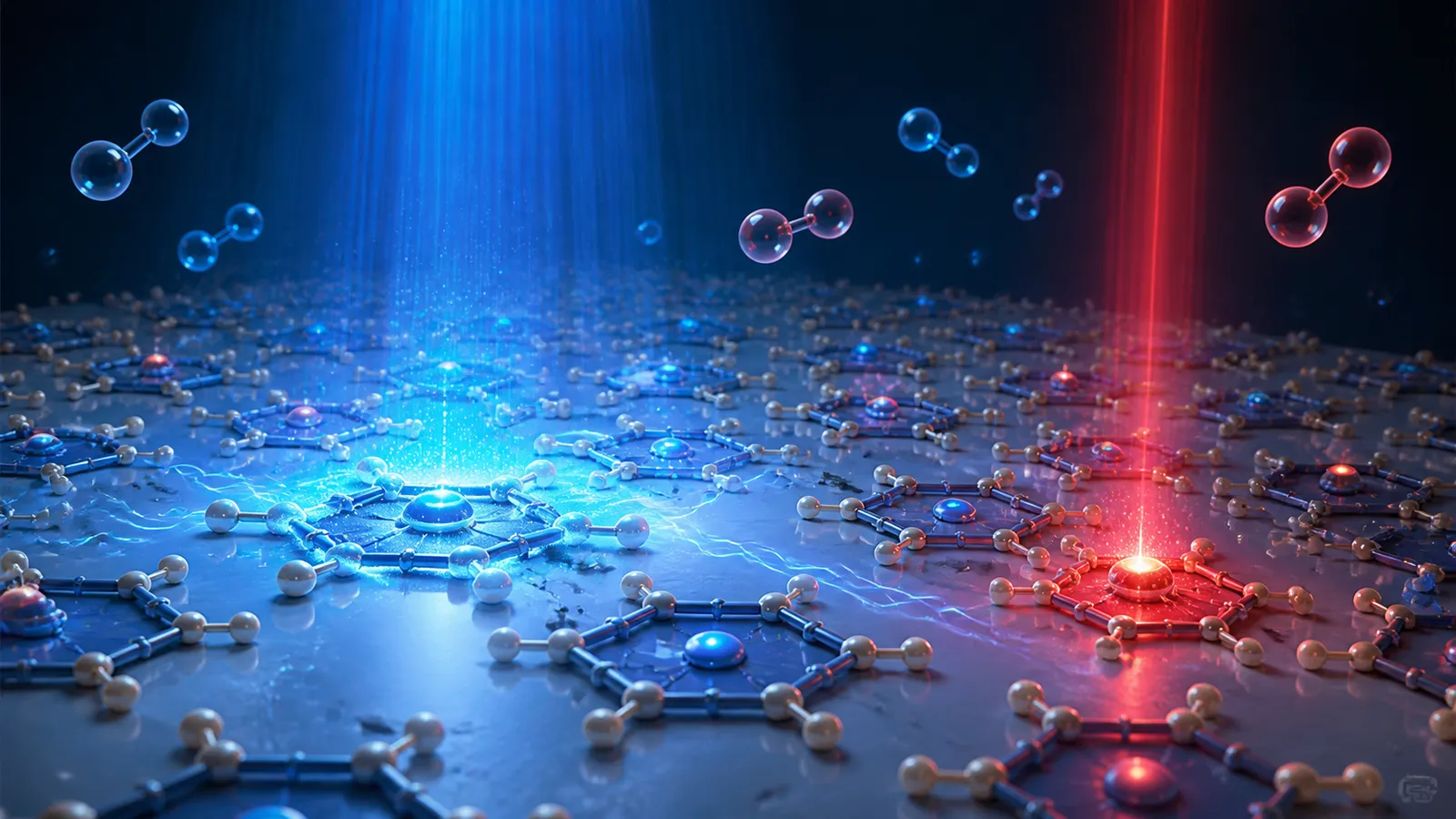
Photodynamic therapy, or PDT, is not a synonym for a blue-light facial. It combines an exact photosensitizing drug with a specified light source, dose, timing, treatment field, and indication. U.S. FDA approvals pair particular aminolevulinic-acid products and activation systems with defined actinic-keratosis uses. Acne PDT may be off-label, and evidence for one drug-light protocol cannot validate a different photosensitizer, lamp, incubation, or light-only service.123
The consultation should therefore begin with two labels—the drug and the device—not the acronym.
PDT has at least six linked variables
| Variable | Example of the record | Why it cannot be omitted |
|---|---|---|
| Photosensitizer | Exact drug, concentration, formulation, lot, expiration, and application | Light without the named drug is not the same intervention |
| Target and indication | Actinic keratoses, acne, field change, or another stated purpose | FDA status and evidence are condition- and site-specific |
| Treatment field | Face, scalp, upper extremity, chest, back, or another site | Approved labeling and exposure may differ by anatomy |
| Incubation | Time and conditions between drug application and illumination | It affects photosensitization and cannot be borrowed from another protocol |
| Activation | Exact illuminator, spectrum or wavelength, distance, dose, and duration | Blue and red light are not interchangeable activation records |
| After-exposure plan | Light avoidance, local-reaction expectations, review, and urgent contact | Photosensitivity continues beyond the treatment chair |
The BLU-U PMA record pairs the device with Levulan Kerastick for specified non-hyperkeratotic actinic keratoses of the face or scalp.1 Levulan’s current label supplies the detailed application and blue-light protocol.2 Ameluz uses a different gel and specified red-light system under its own labeling.3 These are approved product combinations, not interchangeable examples of “any ALA plus any LED.”
Actinic keratosis, sun damage, and photofacial are not the same endpoint
An actinic keratosis is a clinical lesion with its own diagnostic and management context. “Sun damage” may refer to pigment, redness, texture, wrinkles, field change, or lesions that need identification. “Photofacial” may refer to IPL or another light service.
Ask the clinician to name every target. A cosmetic service should not destroy or obscure an uncertain lesion before the diagnostic and pathology question is settled. The cosmetic lesion guide explains why lesion identity precedes destruction.
PDT may create a broad field reaction, but that does not mean every visual sign of sun exposure is an approved or evidence-supported target. Preserve baseline lesion mapping and controlled photographs, and state what outcome will be measured at what date.
Acne PDT is a protocol-specific off-label question
AAD’s updated acne guideline found the available evidence insufficient to make recommendations for laser and light-based devices.4 Its patient guidance notes that light and PDT approaches vary and often do not clear acne alone.5 This is not a statement that no person can improve. It is a limit on converting heterogeneous studies and clinic experience into a universal promise.
For an acne proposal, ask:
- what acne type and severity was diagnosed;
- whether active acne, scars, or post-inflammatory pigment is the intended target;
- exact photosensitizer, dose, incubation, and light system;
- whether the drug, device, anatomy, and acne indication are labeled or off-label;
- trial evidence for that same protocol and skin context;
- treatment series, maintenance, and allowed simultaneous treatments; and
- validated lesion-count or severity endpoint and follow-up horizon.
Do not let a study of one protocol support another merely because both use aminolevulinic acid or blue light.
Light-only acne devices belong in another category
Some consumer or professional light devices have product-specific FDA clearances for acne claims. That can be a legitimate device status, but it is not PDT without a photosensitizer. Likewise, a red-light mask marketed for general skin appearance is not an Ameluz protocol because the color sounds similar.
The red-light device guide explains wavelength, irradiance, fluence, regimen, and intended-use records. The IPL-versus-laser guide separates broad-spectrum IPL from laser and branded BBL terminology.
Photosensitivity belongs in the calendar
Current drug labeling describes intense local reactions during illumination and temporary photosensitivity after application.23 The clinic should provide product-specific instructions for bright light and sunlight exposure, protective measures, what to do if illumination is delayed or missed, and which reactions need contact.
Bring medicines, supplements, skin products, recent procedures, light-sensitivity conditions, prior reactions, active infection or dermatitis, and pigment-change history. Do not stop a prescribed medicine independently. The responsible clinician can decide what is relevant to the exact drug and light protocol.
For South Florida, practical sunlight exposure is not a footnote. Transportation, windows, outdoor work, childcare, and the route home should fit the labeled after-exposure plan. “Wear sunscreen” may not be an adequate substitute for avoiding specified bright-light exposure during the required window.
Compare total course, not session price
Write the protocol in one line before comparing it: photosensitizer, activation device, dose and incubation, light parameters, treatment site, indication, and aftercare. FDA labeling and product-specific evidence can then be matched to the actual proposal instead of the acronym “PDT.”
Sources
- U.S. Food and Drug Administration. BLU-U Blue Light Photodynamic Therapy Illuminator—PMA P990019. Product-specific PMA record for the BLU-U illuminator used with Levulan Kerastick for specified non-hyperkeratotic actinic keratoses. Accessed .
- U.S. Food and Drug Administration. LEVULAN KERASTICK Prescribing Information. Current drug labeling for indication, application, incubation, activating light, photosensitivity, local reactions, and use conditions. Accessed .
- U.S. Food and Drug Administration. AMELUZ Prescribing Information. Product-specific aminolevulinic-acid gel labeling, activation device, actinic-keratosis indication, protocol, and photodynamic risks. Accessed .
- American Academy of Dermatology. Updated Guidelines for the Management of Acne. 2024 guideline summary noting insufficient evidence to make recommendations for laser and light-based acne devices. Accessed .
- American Academy of Dermatology. Lasers and Lights: How Well Do They Treat Acne?. Patient-facing evidence boundaries for visible light, PDT, treatment series, variability, and the limits of device-only expectations. Accessed .