Before you book

How to read a provider, a menu, and a profile. 84 articles, newest first.

Before you book

Hair-transplant repair for a pluggy hairline or overharvested donor area

Hair-transplant repair is not a standard second transplant. A useful plan maps the visible defect, graft direction and grouping, recipient scarring, remaining stable donor supply, progressive loss, and prior records before choosing camouflage, selective removal, redistribution, or a non-transplant option.

4 min read Source checked

Before you book

AI cosmetic-surgery simulations: accuracy, privacy, and consent

An AI or 3D cosmetic-surgery preview is an illustrative communication artifact, not a promised outcome. Evaluate the exact software version, procedure- and population-specific validation, editable inputs, uncertainty, image custody, training use, retention, deletion, and role in informed consent.

5 min read Source checked

Before you book

Cosmetic surgery after 65: age limit, risk, and readiness

There is no universal chronological-age cutoff for cosmetic surgery after 65. A defensible decision measures the operation, functional reserve, frailty, cognition, medicines, conditions, goals, support, facility capability, and recovery plan together.

6 min read Source checked

Before you book

Does FDA clearance of a PRP kit approve the treatment?

FDA clearance of a named blood-processing kit applies to that device and its exact intended use. It does not automatically approve platelet-rich plasma injections for hair loss, facial aging, sexual function, joints, or delivery after microneedling.

4 min read Source checked

Before you book

Facelift plus laser resurfacing: same session vs staged

A facelift repositions deeper facial and neck tissues; laser resurfacing treats skin and dermis. They can be combined in selected protocols or staged, but the decision depends on laser type and depth, undermined zones, blood supply, skin type, prior procedures, recovery, and evidence.

5 min read Source checked

Before you book

Hair-growth supplements: how to read nutraceutical evidence

A hair supplement can have formulation-specific trial evidence without proving every ingredient grows hair, another brand is equivalent, or supplementation treats an undiagnosed cause. Read the finished product, population, deficiency status, endpoint, funding, and lab-interference record together.

5 min read Source checked

Before you book

hCG injections and drops for weight loss: FDA status and evidence

No hCG product is FDA approved for weight loss. Prescription hCG has other approved uses, while nonprescription drops, pellets, sprays, and injections marketed for weight loss cannot borrow those approvals; any change during a very-low-calorie diet must not be attributed to hCG without evidence.

5 min read Source checked

Before you book

OTC orlistat vs prescription weight-loss care

OTC alli and prescription Xenical contain orlistat at different labeled strengths, but they are not self-selected dose tiers. The OTC label defines a narrow use; prescription care adds diagnosis, interaction review, monitoring, nutrition planning, and a treatment-change pathway.

5 min read Source checked

Before you book

Wearable HRV and recovery scores vs clinical heart-rate variability

A wearable recovery score is a proprietary interpretation built from device-specific signals, often including pulse-rate variability from an optical sensor. Clinical HRV is calculated from defined beat-to-beat intervals under a documented protocol. The numbers are not automatically interchangeable.

5 min read Source checked

Before you book

Who performs each part of cosmetic surgery? Map the team roles

The surgeon named in an advertisement may not perform every task, and that is not automatically improper. A useful consent record names the primary surgeon, assistants, trainees, anesthesia professional, who performs each key portion, any room overlap, and who owns handoffs and follow-up.

6 min read Source checked

Before you book

Med-spa injectable drug supply chains: the DSCSA records behind the vial

A med spa should be able to trace a covered prescription injectable to authorized trading partners and preserve the product identifier and transaction records needed to investigate suspect product or a recall. A familiar box, brand name, invoice screenshot, or good outcome does not replace that clinic-to-source chain.

7 min read Source checked

Before you book

PEMF wellness mats vs FDA-cleared devices: waveform is not an indication

Pulsed electromagnetic field is a technology description, not one FDA status. A prescription bone-growth stimulator can be authorized for a defined indication; that does not validate a consumer PEMF mat's claims about pain, sleep, energy, inflammation, circulation, recovery, detoxification, or longevity.

5 min read Source checked

Before you book

Vagus nerve stimulation wearables: wellness claim or FDA-authorized device?

A consumer device marketed for vagus “tone,” calm, sleep, digestion, or recovery is not automatically equivalent to a prescription noninvasive vagus nerve stimulator cleared for specific headache indications. Verify the model, site, waveform, prescription status, intended use, evidence, and warnings claim by claim.

5 min read Source checked

Before you book

Breast lift incision patterns: donut, lollipop, and anchor explained

Breast-lift scar patterns follow the skin-removal and reshaping job. Periareolar, vertical, and inverted-T nicknames do not specify the pedicle, internal shaping, nipple movement, tension, or final scar. Compare the complete operative drawing rather than shopping by scar length alone.

4 min read Source checked

Before you book

Can laser hair removal cause paradoxical hair growth?

Paradoxical hypertrichosis is an uncommon report of denser or coarser hair in or near a laser field. It differs from shedding, incomplete reduction, regrowth, or an evolving condition. Document baseline borders, device, settings, timing, distribution, medicines, and relevant history before classifying it.

4 min read Source checked

Before you book

Clinically proven vs clinically tested: how to audit a wellness claim

Clinically tested means little until a seller identifies what was tested. Clinically proven is an objective claim that needs evidence matching the exact product, protocol, population, comparator, endpoint, duration, magnitude, and limits—not only an ingredient study or registered trial.

4 min read Source checked

Before you book

How to check weight-loss supplements for hidden-ingredient alerts

Search FDA's weight-loss notifications and Health Fraud Product Database by exact name, package, seller, lot, and date. A match can identify an undeclared ingredient; no match does not mean safe, effective, approved, or free of hidden drugs because FDA says its list covers only a fraction of contaminated products.

4 min read Source checked

Before you book

Mobile IV therapy in Florida: a provider and product checklist

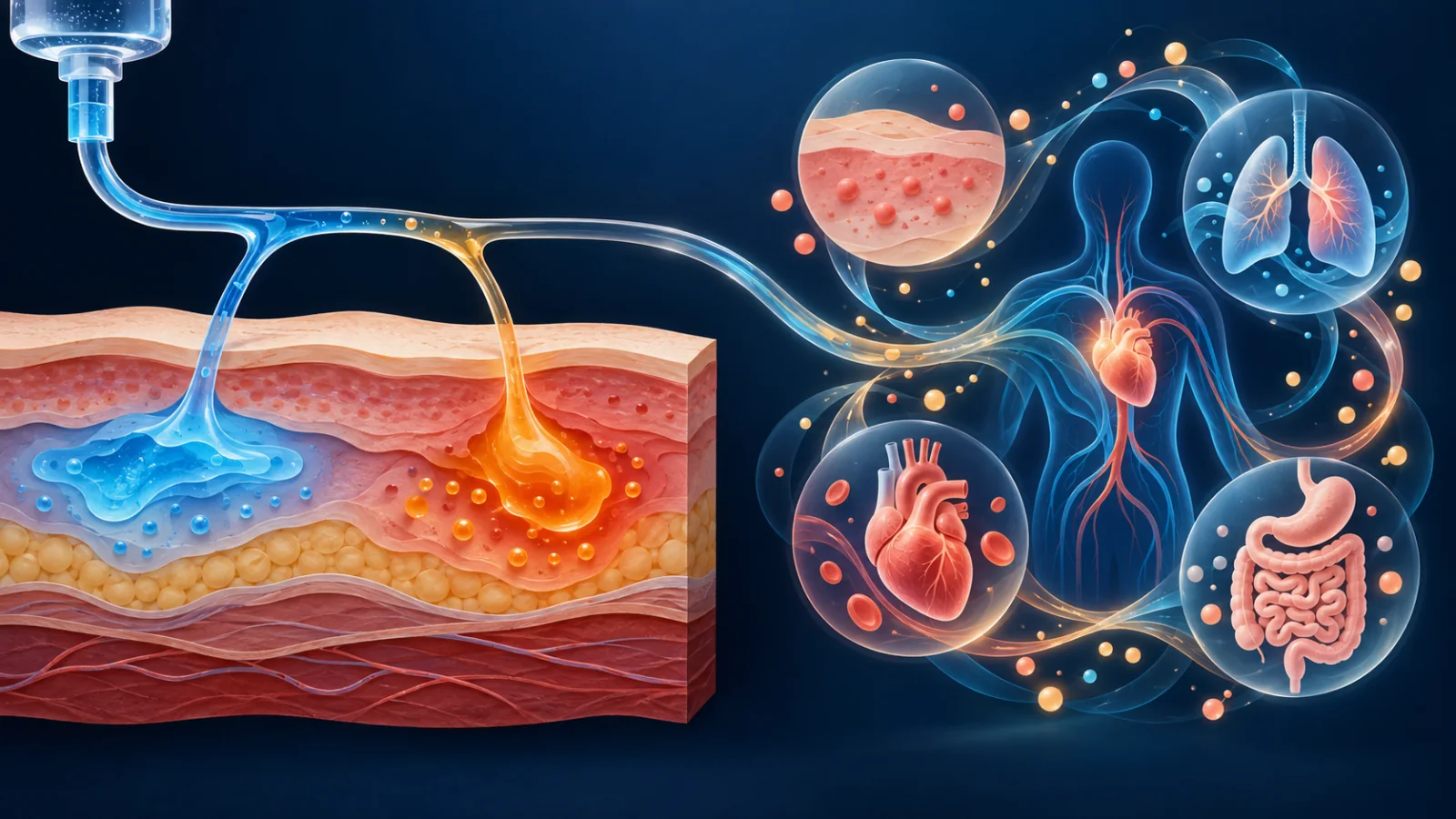
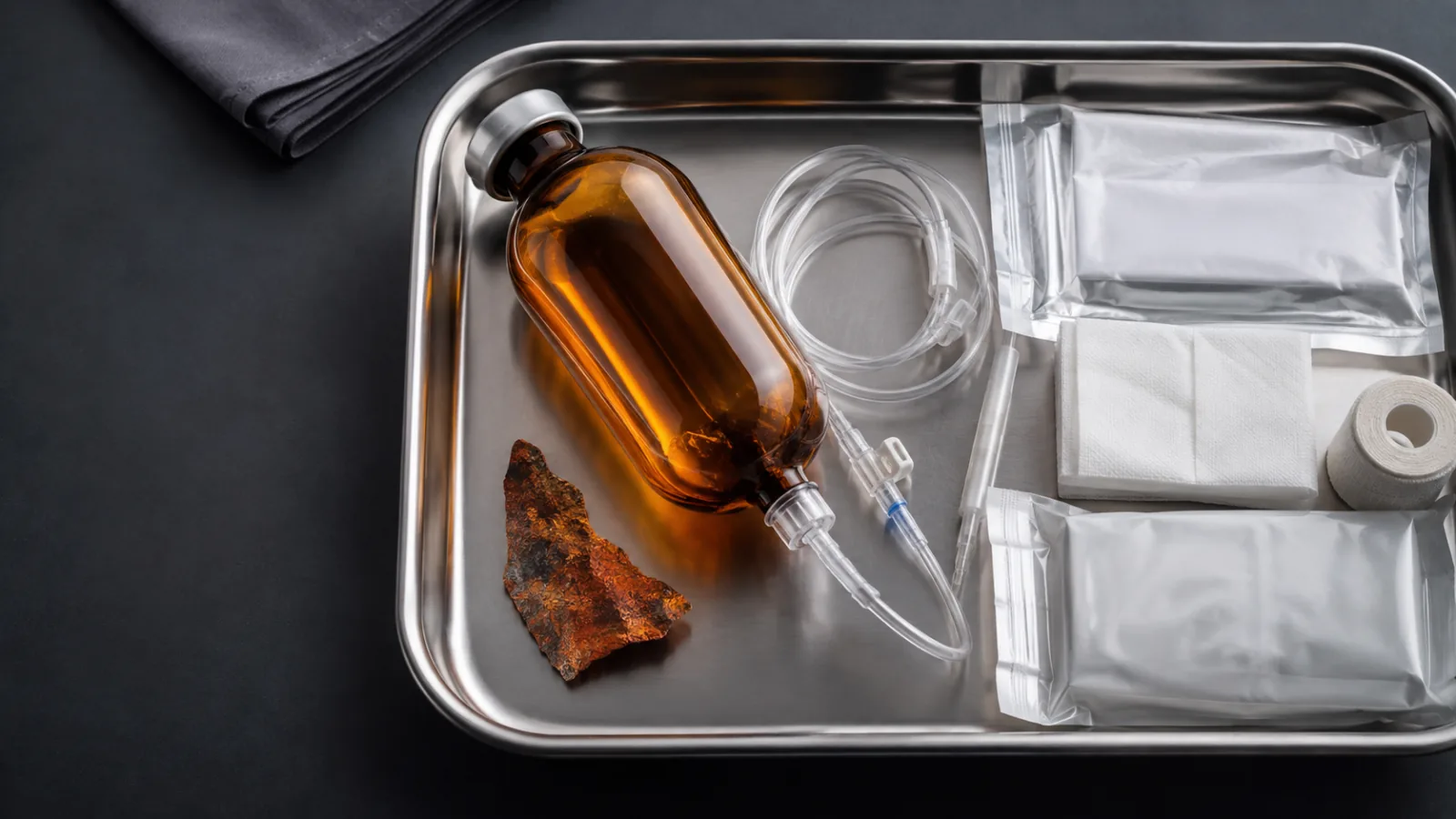
A mobile IV visit is a complete care chain, not simply a person arriving with a bag. In Florida, confirm the evaluator and order, each professional's license and role, the finished product and pharmacy source, transport and storage, treatment address, documentation, monitoring, emergency response, and follow-up owner.

4 min read Source checked

Before you book

PRP microneedling facial infection-control checklist

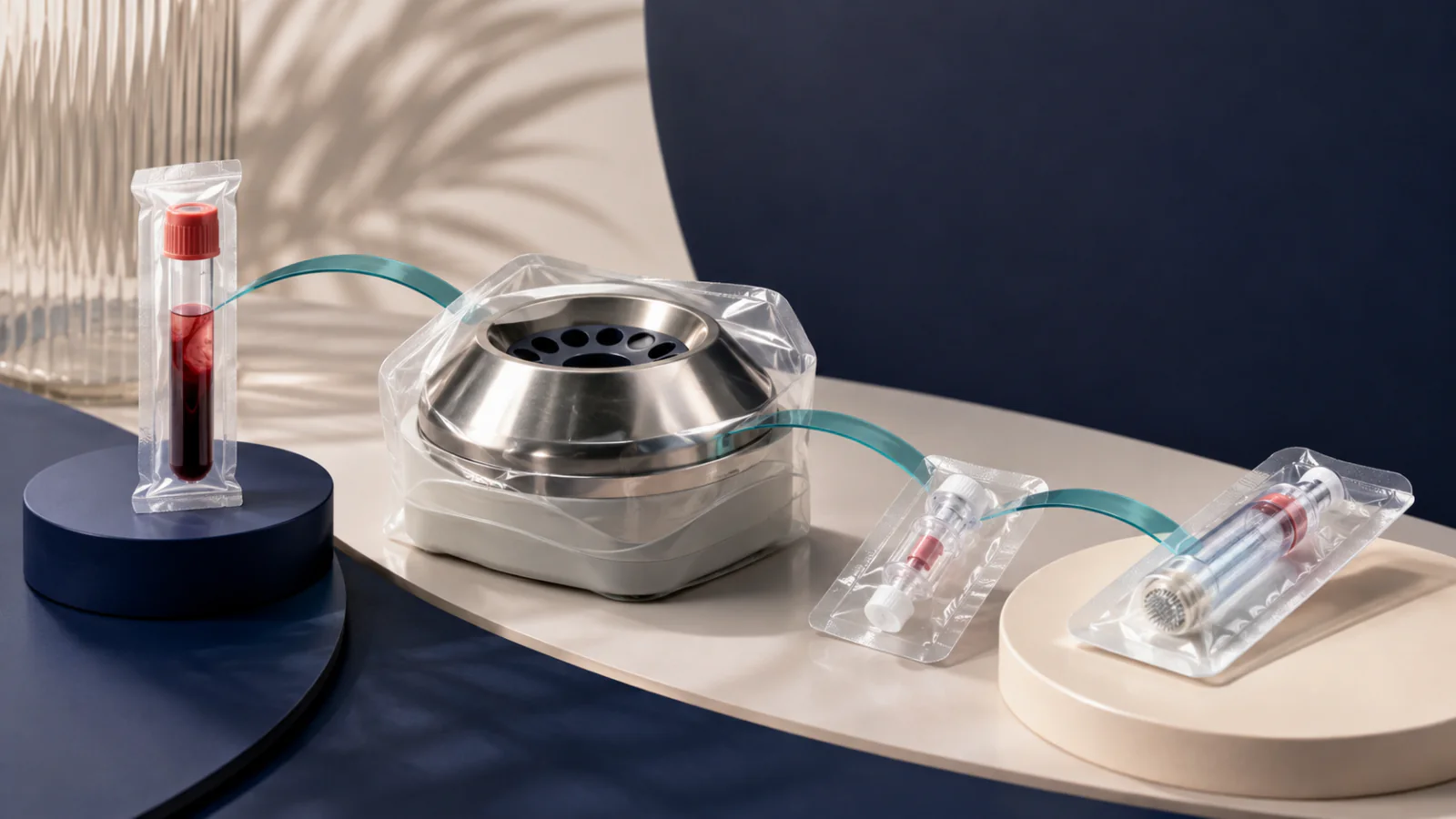
A PRP microneedling facial creates a patient-specific blood-product chain. Verify collection identity, centrifuge handling, labeled transfer, single-patient cartridges and syringes, surfaces, sharps, exposure response, and records. Device clearance does not itself authorize delivering PRP through microneedling.

4 min read Source checked

Before you book

Spider veins vs varicose veins: when duplex ultrasound changes the workup

Spider veins are small intradermal vessels; varicose veins are larger dilated subcutaneous veins. Appearance alone does not show deeper reflux. Guidelines do not support routine duplex for every asymptomatic cosmetic telangiectasia, while symptoms, recurrence, bleeding, or skin change can alter evaluation.

4 min read Source checked

Before you book

The FDA breast-implant patient decision checklist explained

The FDA-required breast-implant checklist is product-specific labeling reviewed before surgery, not a generic form or guarantee. The prospective patient initials it, and both patient and implanting physician sign it. Keep the checklist with the booklet, boxed warning, consent, operative report, and device card.

4 min read Source checked

Before you book

Blood-clot prevention in cosmetic surgery: verify the VTE plan, not one score

A cosmetic-surgery VTE plan should combine individual and procedure risk, bleeding risk, anesthesia and operating time, mobility, mechanical measures, selective medication decisions, travel, and an urgent-response pathway. A Caprini score, compression device, or anticoagulant is one input—not a complete guarantee.

6 min read Source checked

Before you book

Compounded topical finasteride: FDA status, absorption, and product questions

No topical finasteride product is FDA-approved in the United States. Compounded sprays, gels, and combination products can create systemic and transfer exposure, but FDA adverse-event reports cannot establish incidence. Verify the prescription, ingredients, concentration, route, pharmacy, and risk instructions.

4 min read Source checked