Treatments, explained: page 4

What a treatment is, who regulates it, and what to ask. 186 articles, newest first.

Treatments, explained

Botox vs miraDry for underarm sweating

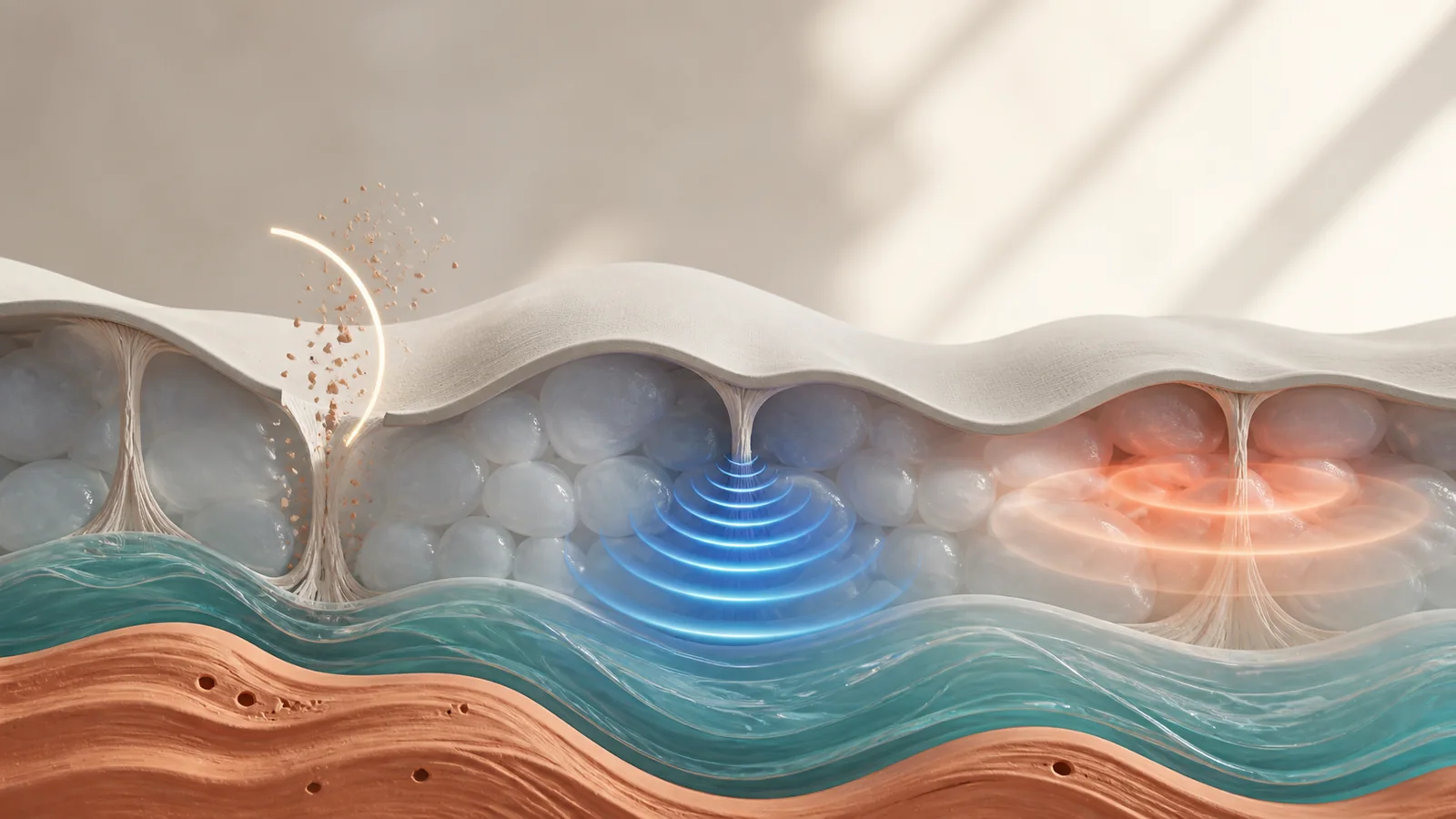
Botox temporarily blocks acetylcholine signaling to sweat glands through multiple injections; miraDry uses microwave energy to thermally damage underarm sweat glands. Both can address primary axillary hyperhidrosis, but duration, invasiveness, retreatment, compensatory expectations, and risk profiles differ.

6 min read Source checked

Treatments, explained

CoolSculpting versus Emsculpt versus liposuction

CoolSculpting is a cryolipolysis brand, Emsculpt is a product-family name used for electromagnetic muscle-stimulation services with model-specific claims, and liposuction surgically removes fat. None is weight-loss treatment or removes substantial loose skin.

6 min read Source checked

Treatments, explained

DEXA vs InBody vs 3D body scan: tracking body composition

DEXA estimates bone mineral and soft tissue using low-dose X-rays; InBody-style bioimpedance estimates composition from electrical impedance; a 3D optical scan measures surface shape and predicts circumferences or composition. Their numbers should not be mixed into one trend line.

6 min read Source checked

Treatments, explained

Facial balancing explained: from marketing phrase to measurable plan

Facial balancing is a marketing phrase for coordinating changes across facial features. It is not one procedure, diagnosis, formula, or FDA indication. A credible plan translates “balance” into named observations, measurable endpoints, exact products or procedures, staging, and stopping rules.

6 min read Source checked

Treatments, explained

HydraFacial vs microdermabrasion: what each facial does

HydraFacial is a branded tip-and-fluid workflow combining surface exfoliation, suction-based extraction, and solution delivery; microdermabrasion abrades the outer skin with a crystal or diamond-tip system and suction. Both are surface-focused, not substitutes for diagnosis or deeper resurfacing.

6 min read Source checked

Treatments, explained

IPL versus BBL versus laser: light devices decoded

In this comparison, BBL means broadband light—not Brazilian butt lift. BBL is a branded form of intense pulsed light technology. IPL emits filtered ranges of noncoherent light; a laser emits a more specific coherent wavelength or set of wavelengths.

6 min read Source checked

Treatments, explained

Kybella vs CoolSculpting vs liposuction for a double chin

Kybella chemically disrupts submental fat cells through injections, noninvasive cooling injures susceptible fat cells through the skin, and liposuction surgically removes fat through a cannula. Skin laxity, anatomy, predictability, recovery, and tolerance for surgery usually matter more than the marketing label.

6 min read Source checked

Treatments, explained

Laser and light treatments for darker skin tones

Darker skin is not excluded from laser and light treatment, but epidermal melanin can compete with the intended target. Safe planning requires the right diagnosis, wavelength or filter, pulse and cooling strategy, conservative endpoint, operator experience, and a plan for post-inflammatory darkening or lightening.

6 min read Source checked

Treatments, explained

Laser resurfacing versus chemical peels versus microneedling

Laser resurfacing, chemical peels, and microneedling create controlled skin injury in different ways: light energy, a chemical agent, or mechanical needles. The useful comparison is target, device or product identity, depth, recovery, skin-tone risk, and operator controls.

6 min read Source checked

Treatments, explained

Lip flip vs lip filler: movement, volume, and tradeoffs

A lip flip uses small, usually off-label doses of botulinum toxin to reduce upper-lip muscle pull; lip filler places an approved device material to add or shape tissue. They solve different problems, have different risk profiles, and should not be compared as interchangeable versions of lip enhancement.

6 min read Source checked

Treatments, explained

Menopause skin and body treatment options: separate the goals

Menopausal hormone therapy is intended for specific menopause symptoms and prevention indications under product labeling; aesthetic treatments target selected skin or contour findings. They can be discussed in the same life stage, but one should not be marketed as a substitute for the other.

6 min read Source checked

Treatments, explained

Sculptra butt lift vs BBL surgery: two different procedures

A “Sculptra butt lift” injects poly-L-lactic acid off-label to stimulate tissue response; a Brazilian butt lift is gluteal fat-grafting surgery involving liposuction, fat processing, and subcutaneous placement. Sculptra is not FDA approved for buttock augmentation, and it is not a nonsurgical version of fat grafting.

7 min read Source checked

Treatments, explained

Semaglutide vs tirzepatide for weight loss in 2026

Semaglutide is a GLP-1 receptor agonist; tirzepatide activates GIP and GLP-1 receptors. Approved obesity products have different labels, dose schedules, evidence, contraindications, coverage, and 2026 presentations, so the comparison must use exact brands and populations—not ingredient nicknames.

6 min read Source checked

Treatments, explained

Superficial vs medium vs deep chemical peel

Peel depth describes the level of controlled chemical injury, not merely the percentage printed on a bottle. Superficial, medium, and deep peels differ in target, solution and application, recovery, pigment risk, monitoring, and the clinical setting needed to manage injury.

6 min read Source checked

Treatments, explained

Thread lift versus filler versus facelift

Threads apply limited mechanical suspension, filler adds or redistributes volume, and facelift surgery repositions deeper tissue and removes selected excess skin. They address different problem definitions and have very different evidence, durability, recovery, and risk profiles.

6 min read Source checked

Treatments, explained

Under-eye filler versus PRF versus lower blepharoplasty

Under-eye filler, platelet-rich fibrin, and lower blepharoplasty do not solve the same problem. Filler places volume, PRF uses an autologous blood-derived preparation with less certain aesthetic evidence, and surgery can reposition or remove fat and address skin or lid structure.

7 min read Source checked