Treatments, explained: page 2

What a treatment is, who regulates it, and what to ask. 186 articles, newest first.

Treatments, explained

1726-nm acne lasers: FDA clearance and evidence explained

A 1726-nm acne-laser clearance belongs to the named prescription device and stated inflammatory-acne indication. It does not authorize every platform, promise permanent clearing, treat acne scars, or prove superiority to medicine. Verify the model, 510(k), protocol, endpoint, evidence window, operator, and follow-up.

4 min read Source checked

Treatments, explained

Alexandrite vs diode vs Nd:YAG laser hair removal

Alexandrite, diode, and long-pulsed Nd:YAG are laser families, not fixed rankings. Wavelength affects melanin absorption and penetration, while treatment also depends on platform, pulse, fluence, spot, cooling, skin response, hair target, area, operator, and schedule. Compare the complete settings strategy.

4 min read Source checked

Treatments, explained

Are neck and décolletage fillers FDA approved in 2026?

Two bounded 2026 filler approvals now exist: SKINVIVE by JUVÉDERM for specified injection to reduce neck lines in adults over 21, and RADIESSE diluted 1:2 with sterile saline for subdermal correction of décolleté wrinkles in patients 22 and older. They do not cover every filler, dilution, area, technique, or provider.

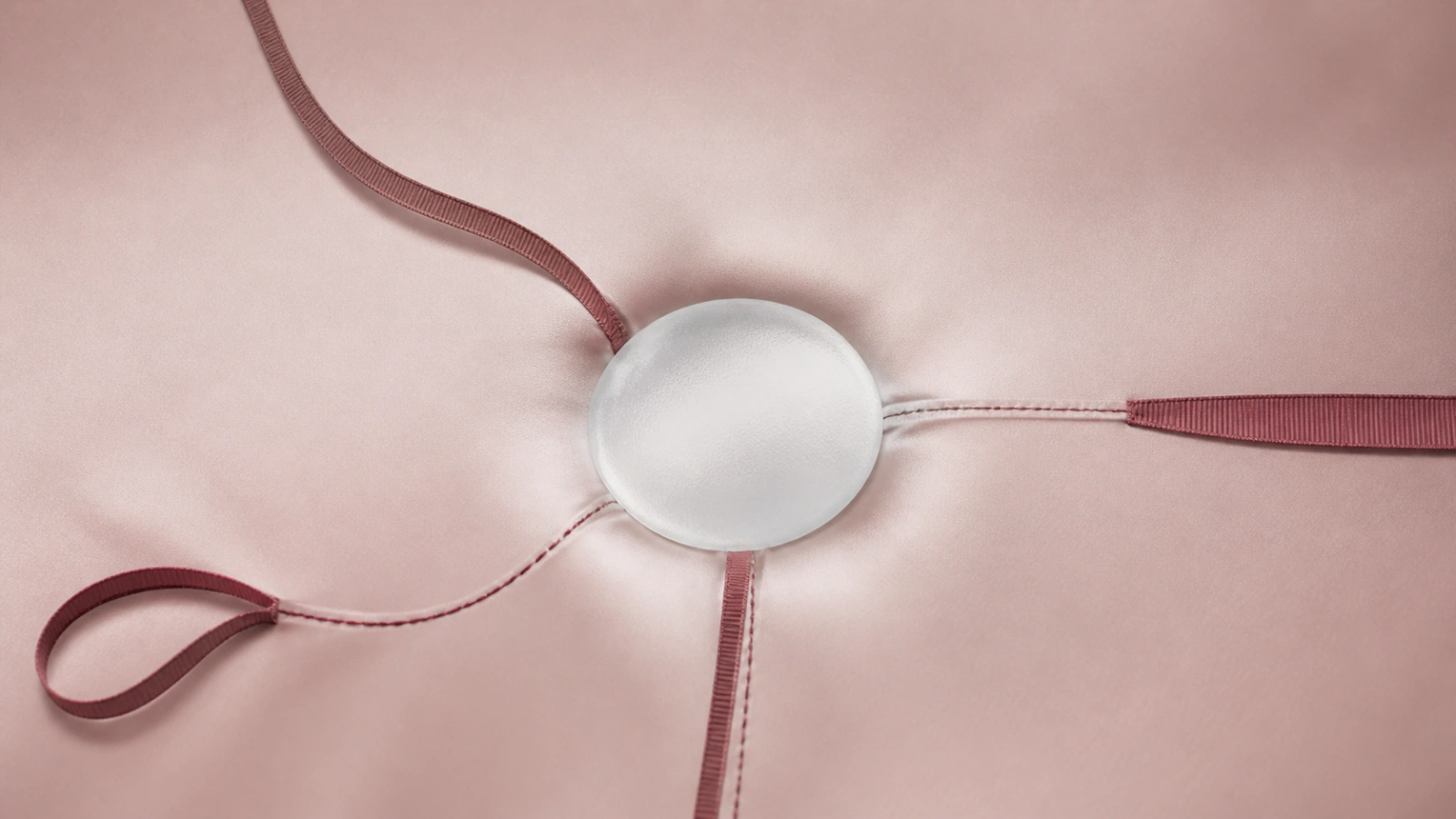
4 min read Source checked

Treatments, explained

BBL fat transfer vs buttock implants

A BBL uses harvested fat through liposuction and subcutaneous grafting; buttock implant surgery places a manufactured device in a planned pocket. Compare donor-fat needs, incisions, device records, Florida rules, surveillance, complications, revision options, and the full safety system—not projection alone.

4 min read Source checked

Treatments, explained

Body-contouring device vs weight-loss device: not the same claim

An authorized noninvasive body-contouring device may target local circumference, a fat bulge, muscle tone, or cellulite appearance; FDA says contouring does not treat obesity or cause weight loss. A weight-loss or weight-management device has its own indication, population, mechanism, evidence, and follow-up.

4 min read Source checked

Treatments, explained

Compression boots for recovery vs medical pneumatic compression

Recovery boots, condition-specific medical pumps, and perioperative compression systems may all inflate around a limb, but they are not interchangeable. Compare the exact device, FDA record, intended use, sleeve, pressure sequence, screening, protocol, monitoring, outcome, and responsible clinician.

5 min read Source checked

Treatments, explained

Dermal filler cannula vs needle: is one safer?

A blunt cannula can change entry points, tissue passage, bruising, and some observed vascular-risk estimates, but it cannot eliminate intravascular injection. A needle can offer direct placement in selected planes. Compare anatomy, product, depth, technique, volume, visualization, injector, and emergency plan.

4 min read Source checked

Treatments, explained

Orforglipron vs oral Wegovy: two weight-loss pills are not interchangeable

Foundayo (orforglipron) and Wegovy tablets (semaglutide) are FDA-approved oral weight-management drugs, but they are different molecules with different labels, administration instructions, dose systems, evidence, contraindications, and continuity plans. Compare the exact finished products, not the phrase “GLP-1 pill.”

6 min read Source checked

Treatments, explained

Piezoelectric vs conventional rhinoplasty osteotomy

Piezoelectric rhinoplasty uses an ultrasonic tool for bone work; conventional techniques use osteotomes and rasps. The tool may affect precision and early recovery measures, but it does not define the operation or guarantee long-term shape or airway. Compare the bone plan, access, evidence, surgeon, and endpoints.

4 min read Source checked

Treatments, explained

Smooth vs textured breast implants: what actually changes?

Smooth and textured describe an implant's shell surface, not fill, shape, size, profile, or pocket. FDA says BIA-ALCL risk is higher with textured implants than smooth implants. Verify the exact model, current availability, labeling, device history, placement, surveillance, and revision plan.

4 min read Source checked

Treatments, explained

Arm lift vs liposuction: separate upper-arm skin from fat

Upper-arm liposuction reduces selected subcutaneous fat; an arm lift removes loose skin and may include fat removal. The meaningful tradeoff is residual laxity versus a longer permanent scar, with weight stability, tissue quality, movement, and recovery in the same record.

6 min read Source checked